Choose Your Learning Path

Choose Your Learning Path
Video Course Member
Always open
Independent learning
€59 / month
Cancel anytime
✓ Duduk Learning Path Video Courses
✓ New phases and repertoire as they are released
✓ Access on desktop and mobile app
✓ Reduced rates on private lessons
Full Member
Limited enrollment. Opens a few times per year.
A more supported experience with community, live sessions, and personal feedback.
Best Value
€99 / month
Cancel anytime
Includes everything in Video Course Membership, plus:
✓ Community
✓ 3 Personal Feedback Checkpoints
✓ Monthly live group session
✓ Direct messaging with the teacher
✓ Lowest member rates on private lessons
Why Is the Academy Such Exceptional Value?
Private lessons give you time with a teacher.
Global Duduk Academy gives you a complete learning environment.
Your membership brings together:
A structured curriculum created by internationally recognised duduk artist and educator Canberk Ulaş
Clear, detailed demonstrations you can revisit whenever you practise
Continuous opportunities to ask questions and deepen your understanding
An international community where members learn from one another
Group meetings and personal feedback for Full Members
Guidance that keeps you connected to the duduk throughout the month
Receiving this level of expertise and continuous support through private tuition would require frequent lessons with a highly specialised teacher—and would cost considerably more.
You are not simply paying for lessons. You are joining an environment designed to help you progress consistently and understand the duduk more deeply.
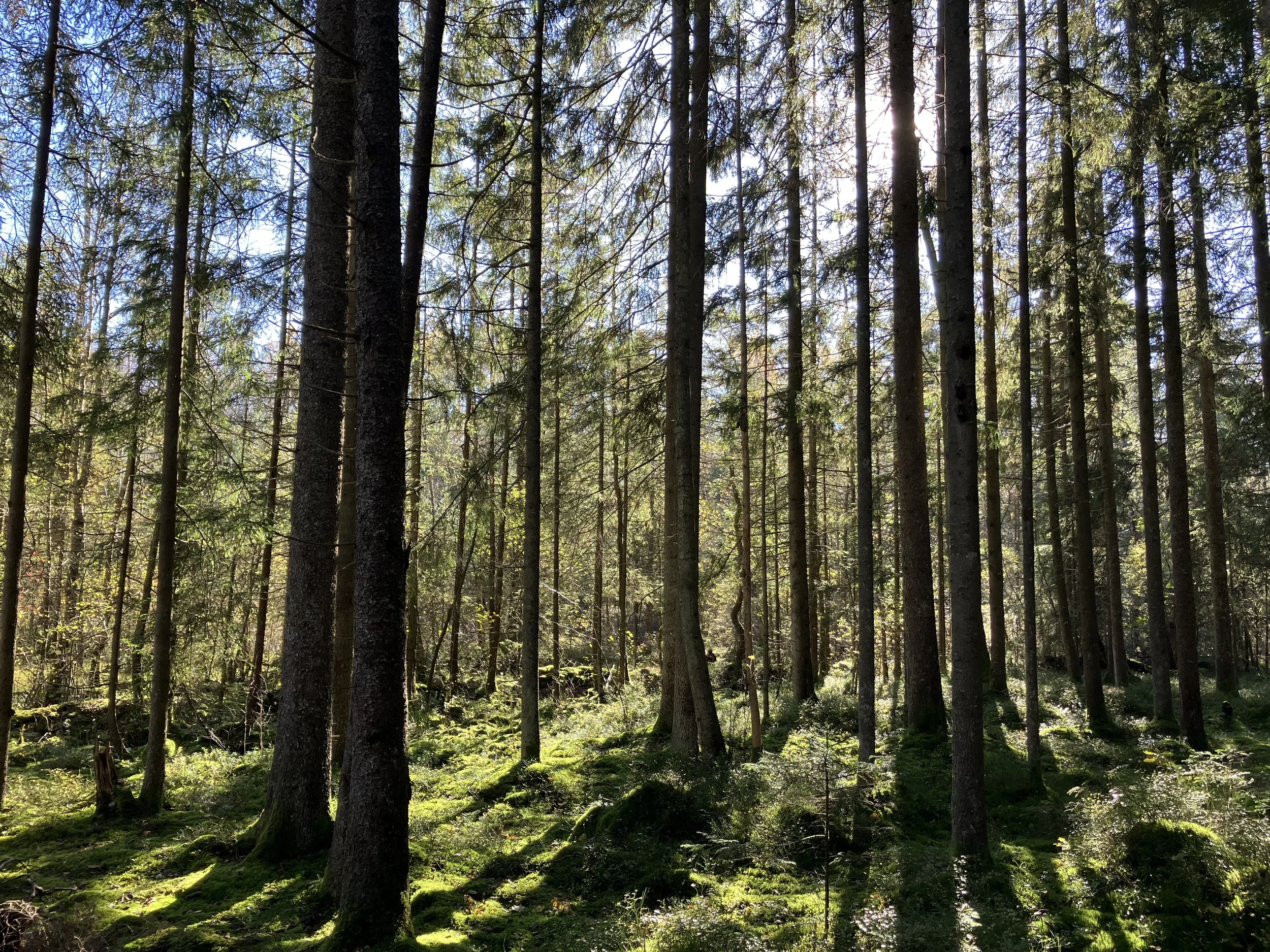
Duduk Retreats
One of the long-term visions of Global Duduk Academy is to bring students together through occasional in-person Duduk Retreats. These gatherings are imagined as a natural continuation of the learning journey, creating space for music, community, and shared experiences beyond the online classroom. Future retreat opportunities may be available to students who complete specific phases of the academy curriculum. No dates have been announced yet.

Frequently Asked Questions
-
The duduk is not difficult to begin, but it does require the right approach.
Most beginners struggle not because the instrument is too hard, but because they do not yet know how to work with the reed, embouchure, and finger positioning.
Another common reason is the instrument itself. Many people start with cheap or souvenir duduks that do not respond properly, even when played correctly. This can make the instrument feel much harder than it actually is.
With the right guidance, a structured method, and a good instrument, the duduk becomes much more accessible than most people expect.
-
Not as much as you might think.
The duduk does require breath control, but it does not require unusually large lung capacity. Most of the challenge comes from technique, not from how much air you have.
If playing long notes feels difficult at the beginning, that is completely normal. Breath control improves naturally with the right practice.
A well adjusted medium reed and a responsive instrument also make a significant difference and help you play more comfortably.
-
We recommend starting with a key of A duduk and a medium strength reed.
The A duduk is the most widely used and best represents the characteristic sound of the instrument. It also provides a comfortable and accessible fingering system for beginners.
All lessons inside the Global Duduk Academy are designed for a key of A duduk, so starting with this setup will give you the best experience.
-
This is one of the most common challenges for beginners, and it is completely normal.
Several factors can affect the sound:
The reed may be too hard or not well made, which makes it difficult to respond.
The connection between the reed and the instrument may not be fully sealed, allowing air to leak.
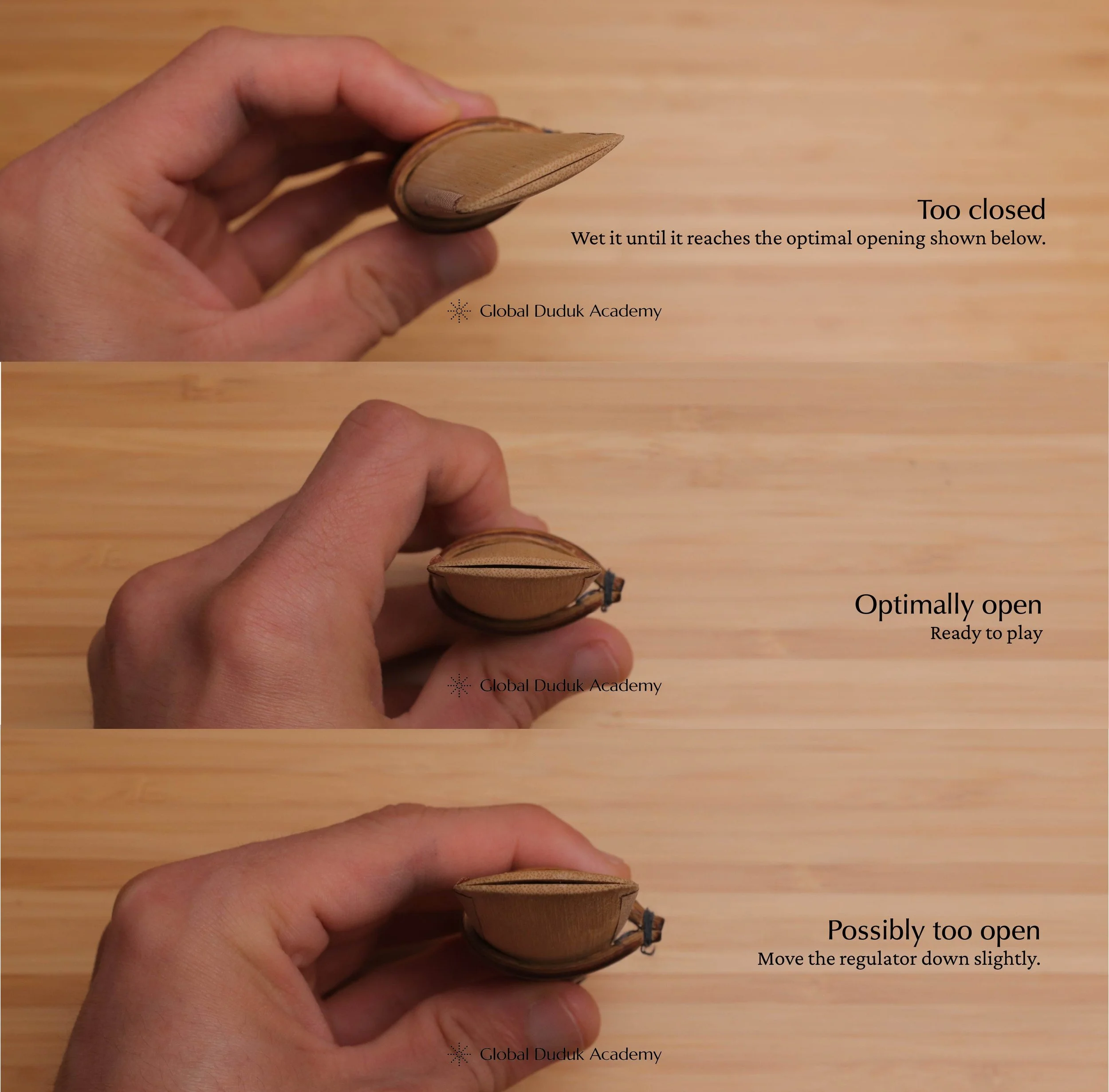
The reed may not be prepared correctly, either too open or too closed.
Too much pressure from the lips can stop the reed from vibrating.
Finger holes that are not fully covered can also prevent the sound from forming.In most cases, it is not just one issue but a combination of small details. Once these are adjusted correctly, the sound usually appears much more easily.
If you are unsure how to prepare your reed, you can watch this video for guidance:
https://www.youtube.com/watch?v=K0dAnjpvQK4&t=1s -
Yes, when the videos are created with the right teaching approach.
What matters is not only the format, but who created the material, how it is explained, and how the learning process is designed.
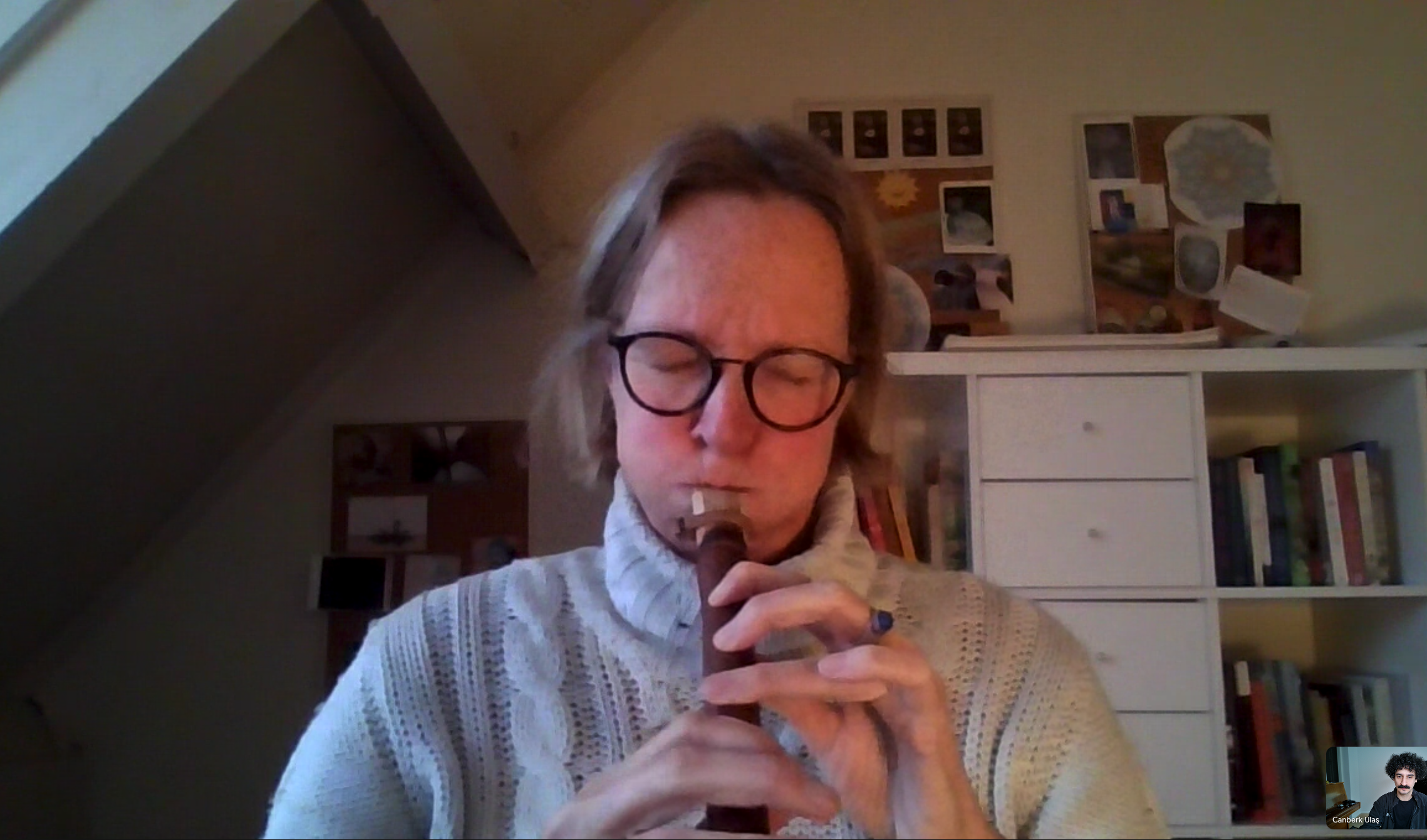
The video material inside the Academy is based on years of teaching experience by Canberk Ulaş, both as a performer and as an educator. These lessons are shaped by real teaching situations and common challenges that students face.
The idea behind the Academy comes from observing how effective video based learning can be. Many students have made significant progress simply by watching and following recorded lessons, even during periods without regular one to one sessions.
This is because the duduk is not learned only through explanation, but through listening, observing, and imitating. Video allows you to return to the lesson as many times as you need and absorb the details at your own pace.
Inside the Academy, this is combined with personal guidance, so you are supported throughout the process.
-
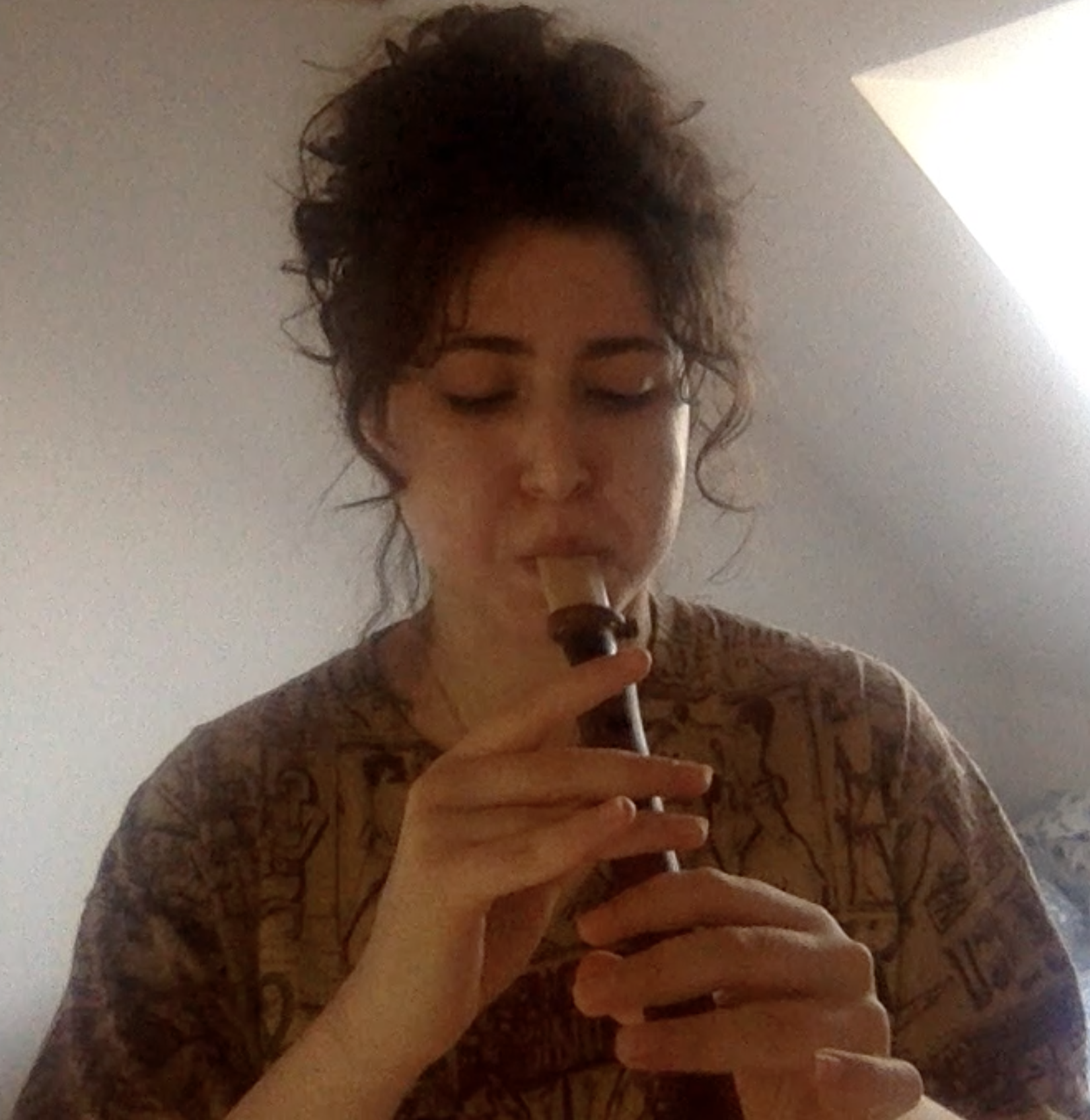
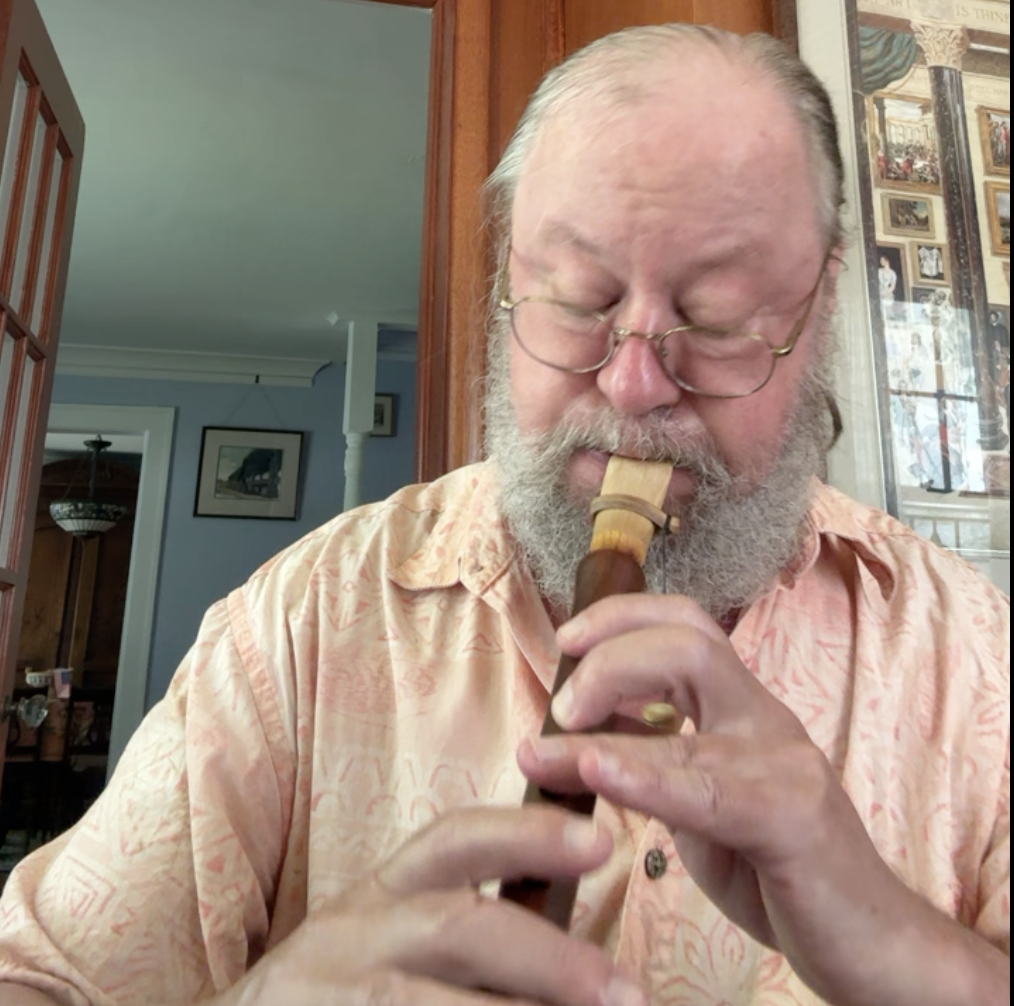
Yes, absolutely. Yes. The Academy is designed for complete beginners as well as players who want to improve their fundamentals and go further.
If you are just starting, you will be guided step by step from the very beginning, with a clear focus on tone, embouchure, breath control, and finger positioning. You will also start learning pieces early on, so you can apply what you learn musically from the beginning.
If you already play the duduk, the Academy helps you refine your sound, improve control, and expand your repertoire and musical expression.
The system is designed to meet you where you are and guide you forward at your own pace.
-
YouTube gives you basic introductions and fragments.
The Academy gives you a clear system:
A structured path
Step-by-step progression
Focus on tone and technique
Personal feedback
A supportive community
-
Both.
The Academy is built around a structured video curriculum that you can follow at your own pace, giving you flexibility and clarity in your learning process.
Alongside this, there are regular live group sessions and Q&A meetings where you can ask questions, receive guidance, and connect with other students.
These sessions are optional, but they add a valuable layer of interaction, motivation, and real time support.
For those who want more personalized guidance, everyone can also book one to one online lessons with Canberk Ulaş.
-
Yes. All courses are recorded with an Armenian duduk in the key of A.
For the best learning experience, it is strongly recommended that you also use an A duduk, so you can play in the same pitch and register as the teacher throughout the lessons.It is also important to study with a solid, well-made duduk. The quality of the instrument directly affects your sound, intonation, and progress. Guidance on choosing the right duduk and trusted makers will be shared soon. If you need help with it, you can always contact us.
-
Feeling stuck is a normal part of learning the duduk. Everyone goes through it.
The instrument has unique challenges, and certain stages naturally feel more difficult than others.In the Academy, you are not left alone with these moments. You can use the video feedback system to get personal guidance, join live group sessions to ask questions, and learn from the shared experience of the community.
You will also be able to send a private message to your instructor, Canberk Ulaş, inside the community. You can always reach out when you need support.
-
Yes. All live sessions are recorded and made available inside the Academy, so you can watch them later at your convenience, even if you miss them.
-
No.
The Academy is designed for complete beginners as well as players who want to fix their fundamentals and improve their sound.
-
Because learning the duduk is a process, not a one-time purchase.
The Academy gives you:
continuous guidance
new material
feedback
community support
You stay as long as you want, and you can cancel anytime.
-
One of our long-term dreams is to create in-person gatherings and retreats where students can meet, learn, play, and spend time together in nature. While nothing has been officially announced yet, Academy students may receive priority access to future opportunities as they become available.
Resources