
How You Learn
Global Duduk Academy combines structured video courses, personal feedback, live sessions and a supportive community into one guided learning experience.
Duduk Learning Path
Video Courses
Every lesson builds on the previous one, creating a clear and structured learning path from your very first sound on the duduk to your first songs.
There is no need to decide what to learn next or search for the right exercises. Simply follow the curriculum, practise each lesson and move forward by clicking Next when you are ready.
By the end of Phase 2, you will begin playing your first songs on the duduk.
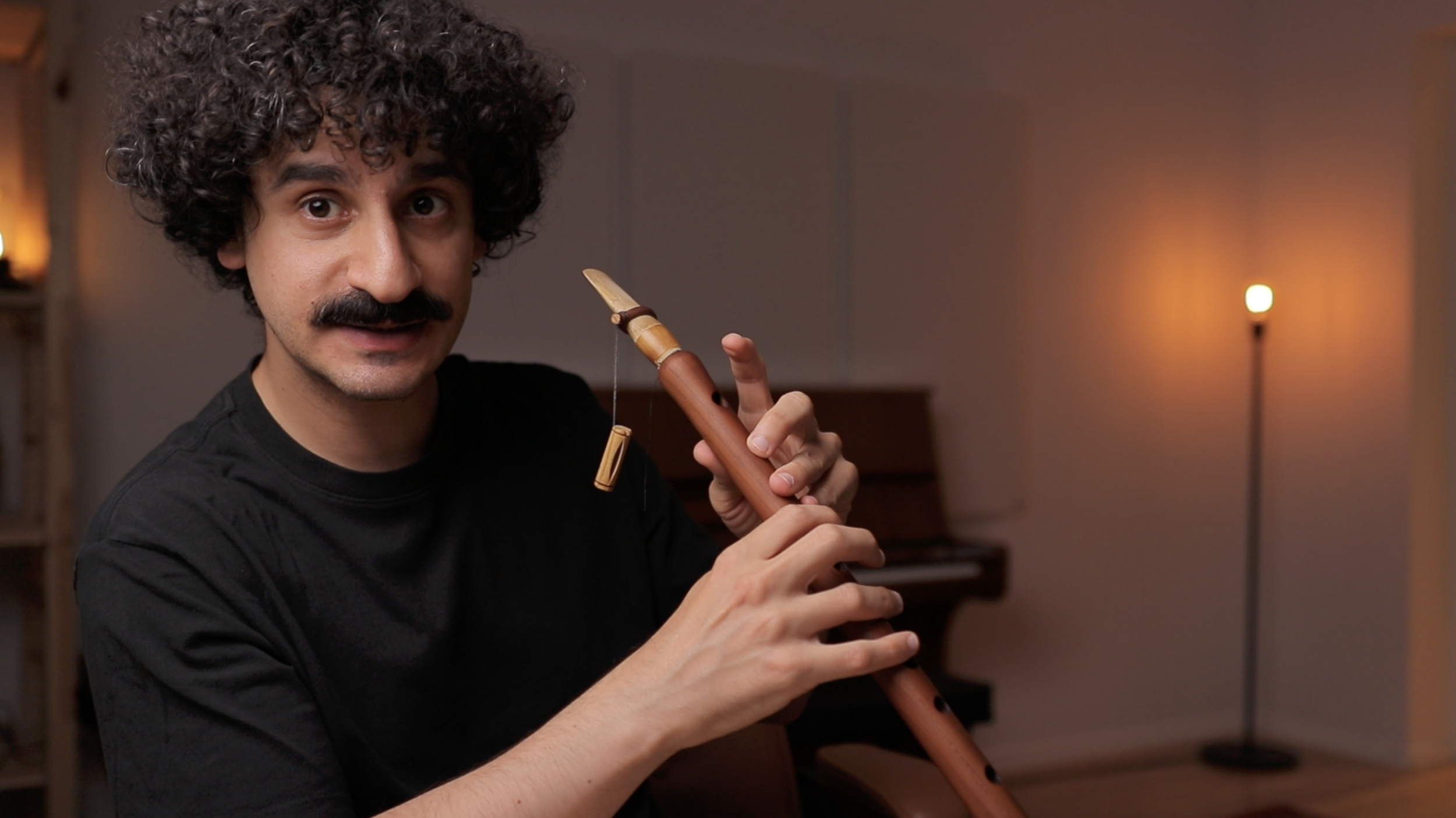
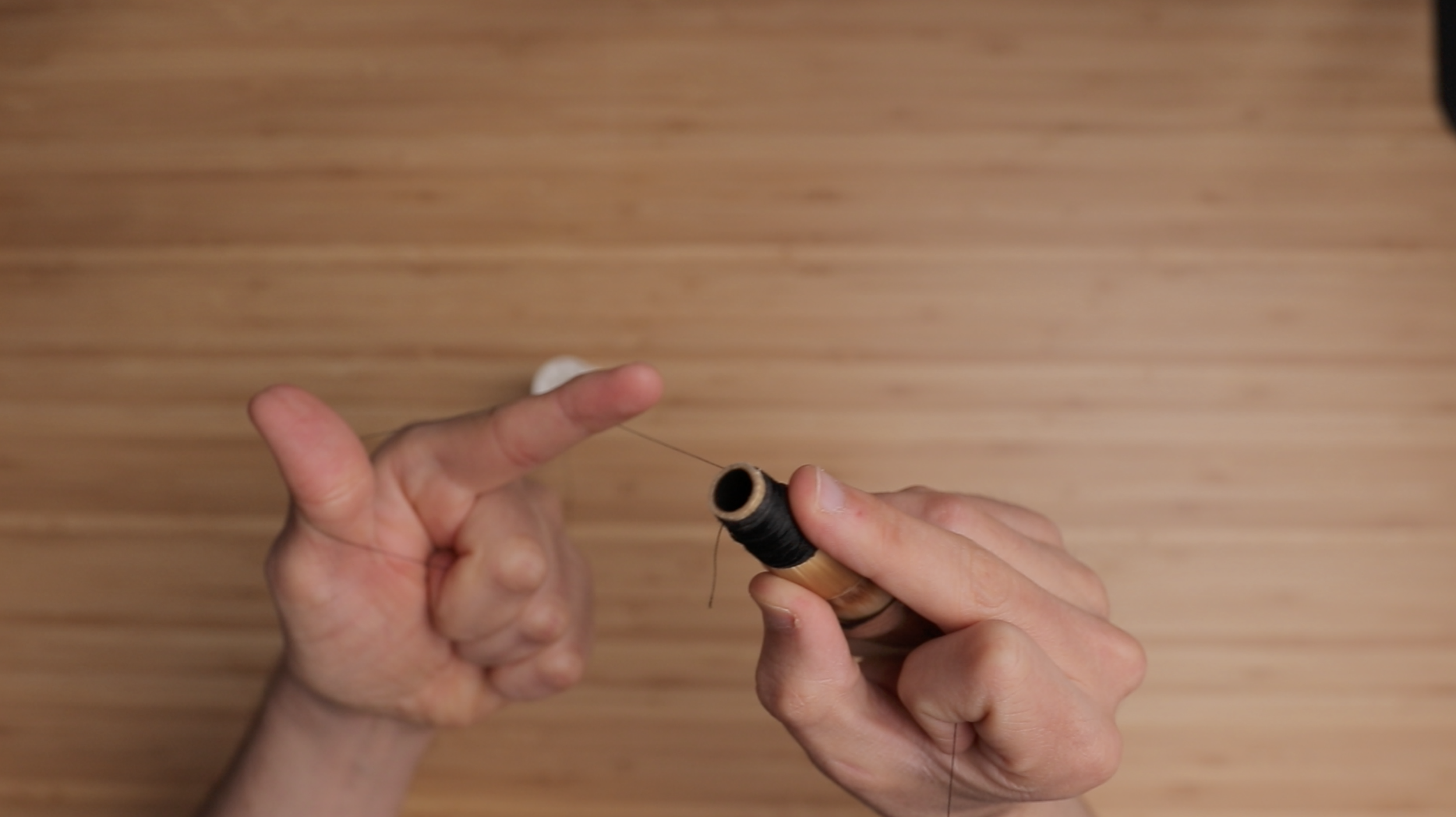
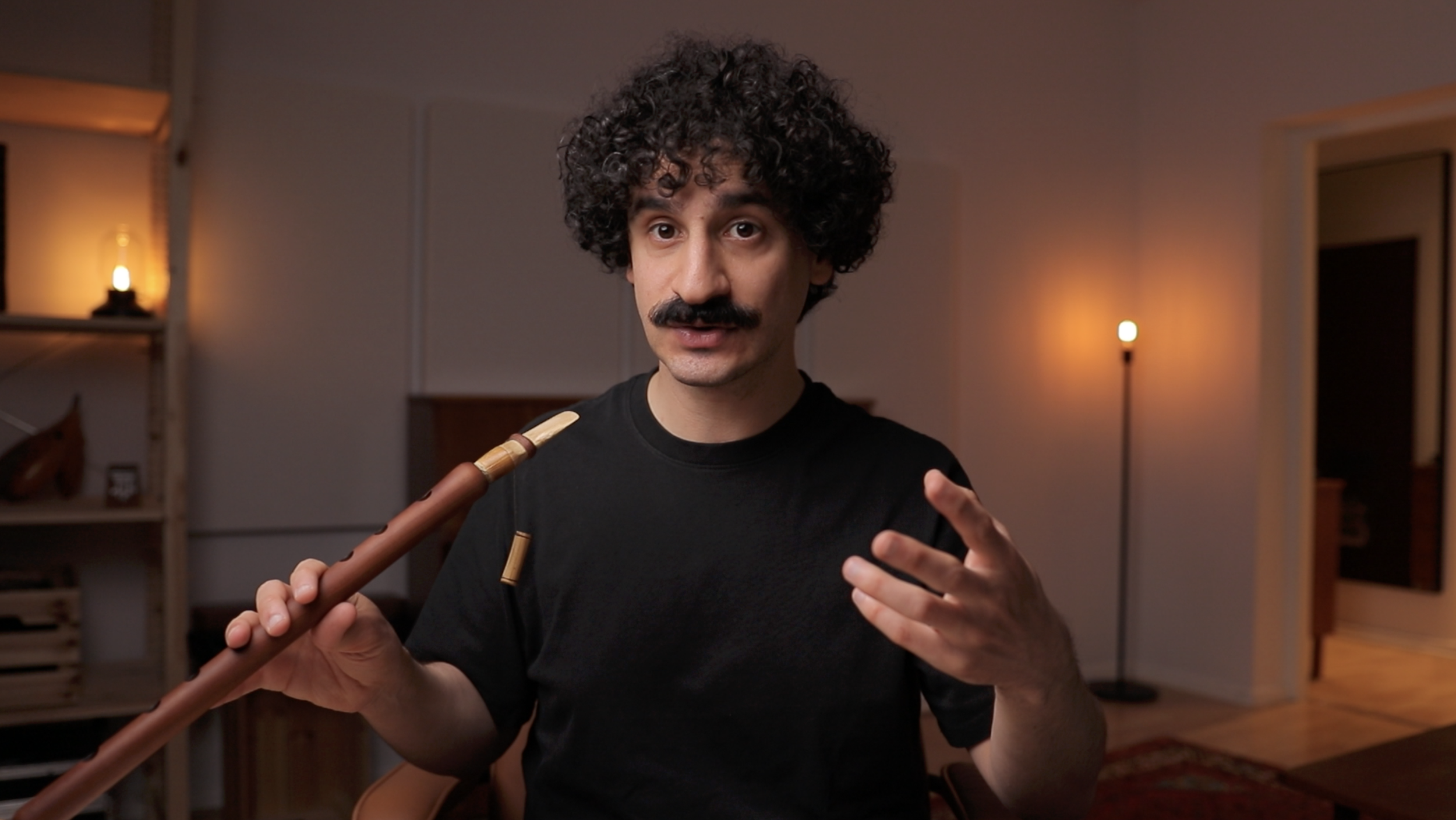
The Foundations Are Not Just for Beginners
Whether you are completely new to the duduk or already playing, everyone begins with Phase 1.
Starting from the foundations does not mean starting with beginner-only material. Even if you can already play songs, Phase 1 explores essential aspects of the instrument that can transform the way you play, from developing a better tone and understanding intonation to working with the reed and gaining greater control over your instrument.
The goal is to build a strong and shared foundation before moving into the next stages of the curriculum.
Study At Your Own Pace
There is no fixed schedule. Study whenever it fits your life. Watch each lesson as many times as you need, slow the videos down, repeat difficult sections and move forward only when you feel ready.
Learn Through Music
The learning path does not end with technical exercises.
Once the first foundations are in place, you begin learning complete pieces and applying what you have developed through music.
Phase 2 introduces five pieces from Armenian folk and sacred music, bringing the techniques you have learned into the musical tradition at the heart of the duduk. Armenian folk music remains a central part of the Academy's repertoire, while the collection will continue to expand over time with folk music from different cultures, music from other genres and selected film soundtracks.
Learn Through Listening, Watching and Playing
Duduk is taught primarily through listening, observation and imitation. Techniques and repertoire are demonstrated visually so you can watch, listen and play along without needing to read music.
At the Academy, we don't teach the duduk through sheet music. We believe your attention should first be on the sound, your embouchure, your breathing, your finger positions and learning to control the instrument. Reading notation is a valuable skill, but it is a separate skill. Once you feel comfortable with the instrument, you can always combine your playing with notation.
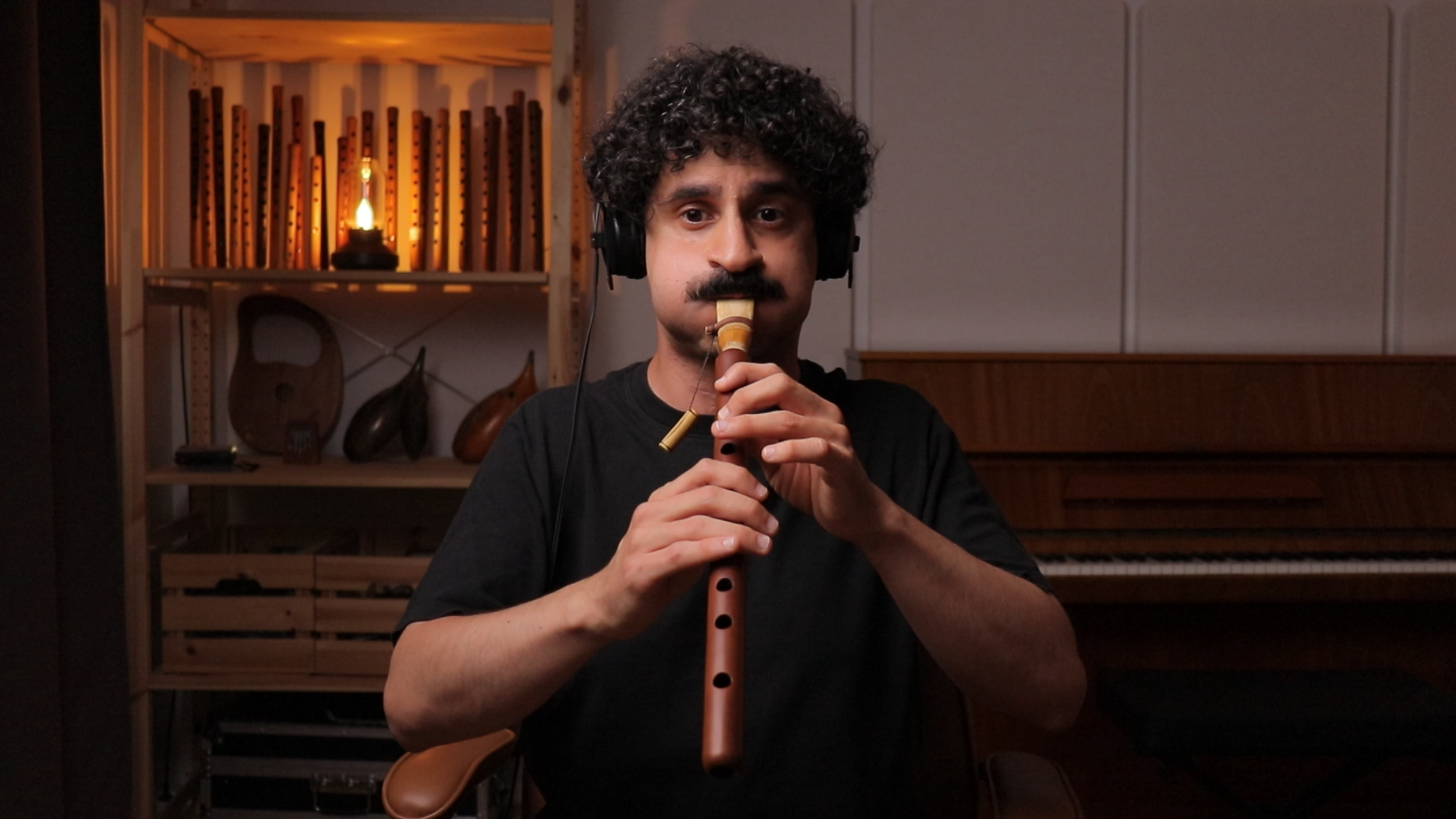
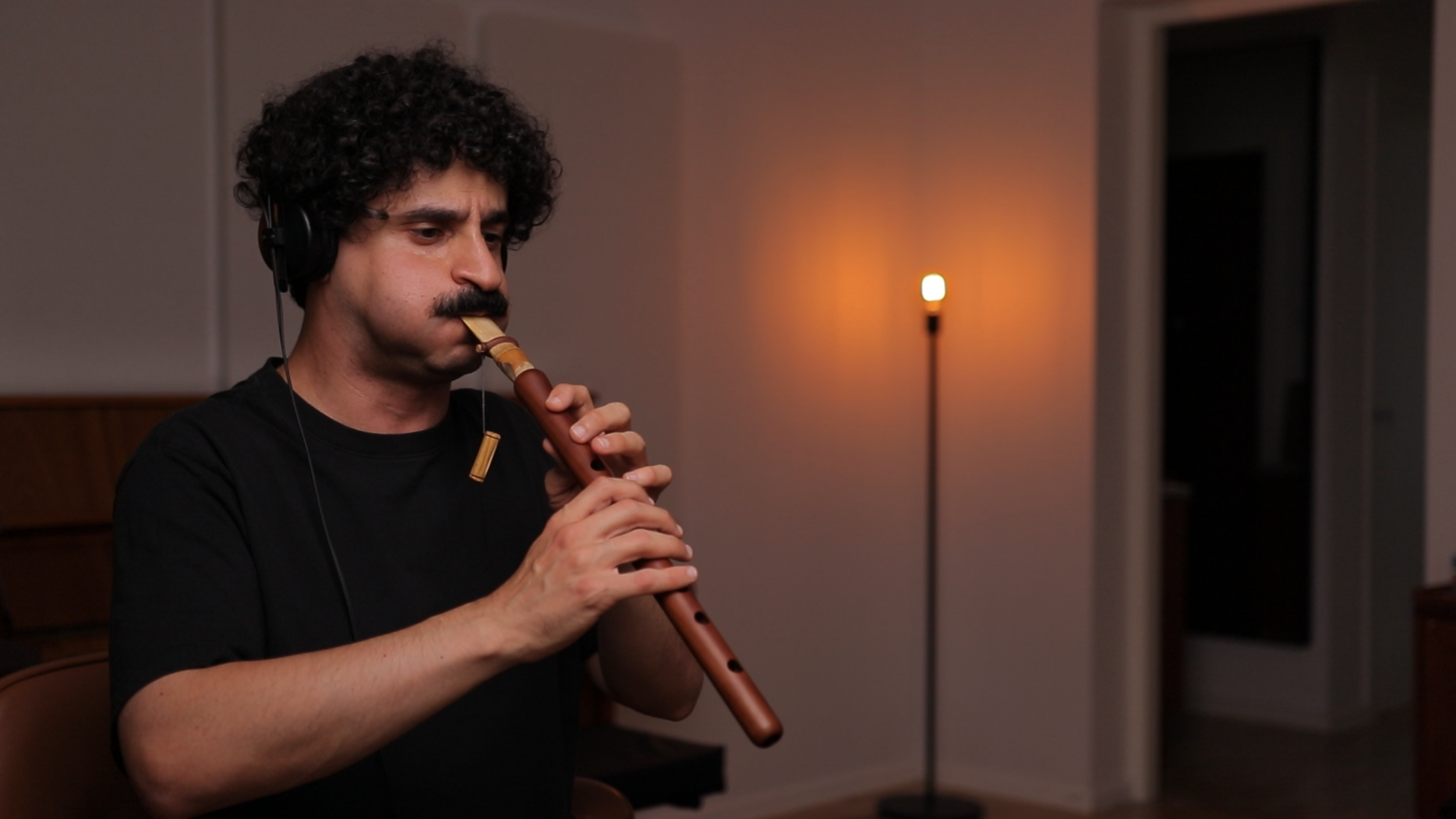
Two Viewing Angles
Choose between two camera angles while learning each repertoire piece.
Personal Feedback
Watching videos is only part of learning.
Sometimes a small adjustment in your embouchure, finger position or breathing can completely change your sound. That's why personal feedback is part of the learning experience.
3 Feedback Checkpoints
Throughout the curriculum, you will reach three feedback checkpoints. At each checkpoint, you are invited to submit a video of your playing. There are no deadlines. Submit your video whenever you feel ready. Your video will be reviewed during the next monthly Personal Feedback Period, and you will receive your feedback via direct message.
Monthly Feedback Days
Every month, the Academy holds Feedback Days.
During these days, Canberk personally reviews every submitted video. Depending on what will help you most, feedback may be provided as:
• Text
• Voice message
• Video
The Goal
The purpose isn't to judge your playing.
It is to help you:
• build strong foundations
• correct mistakes before they become habits
• move forward with confidence
Privacy
Any video you submit for personal feedback is viewed only by Canberk Ulaş and will never be shared without your permission.
Monthly Live Sessions
Personal feedback isn't the only opportunity to receive guidance.
Every month, the Academy hosts a live online group session where members can ask questions, receive feedback and learn from one another.
Q&A
Questions naturally come up while practising. Throughout the month, you can submit your questions in the Community. During the live session, Canberk answers as many of them as possible, so everyone can benefit from the discussion.
Video Reviews
You can also submit a video of your playing before the live session.
Selected videos are reviewed during the meeting, allowing you to receive feedback while giving everyone the opportunity to learn from different approaches, common challenges and solutions.
Watching someone else's feedback can often be just as valuable as receiving your own.
Attendance and video submissions are completely optional, but highly recommended.
Schedule
Group Meetings take place once a month at 18:00 Stockholm time (CET/CEST).
Meeting days vary from month to month and are generally scheduled on Sundays or Wednesdays.
Please check the Academy calendar for the upcoming meeting date and your local time.
Can't attend live?
Every monthly live session is recorded and made available inside the Academy, so you can watch it whenever it suits you.
Community
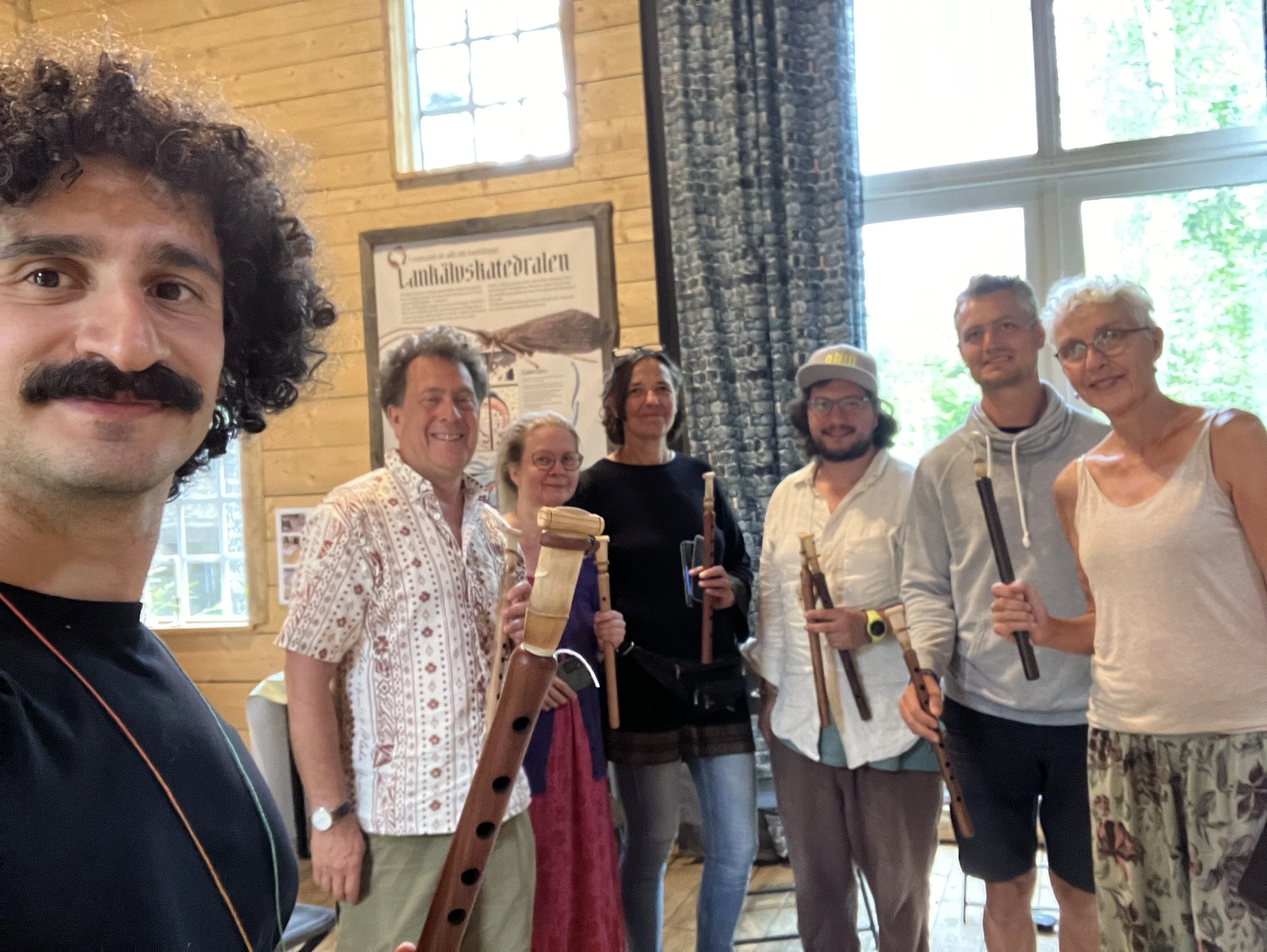
The Academy is about becoming connected
To the instrument
To the sound
And to people who walk the same path as you.
The Community is a place where you can:
ask questions and join discussions.
share recordings and celebrate your progress.
exchange ideas and experiences.
encourage others and be encouraged in return.
stay up to date with Academy news and announcements.
The Community belongs to its members.
Direct Support from Canberk
Sometimes a quick answer is all you need to keep moving forward.
Full Members can send direct messages to Canberk through the Academy platform whenever they need guidance or have a question. Message the teacher when a specific issue is preventing you from progressing, such as a problem with your reed, instrument, technique, or course material.
Canberk answers messages during his working days and hours.
The Path Continues
The Academy begins with Phases 1 and 2, but the curriculum doesn't stop there.
New lessons are added regularly, including songs, scales, techniques and other topics based on the needs of the members.
The Academy continues to grow together with its members.